
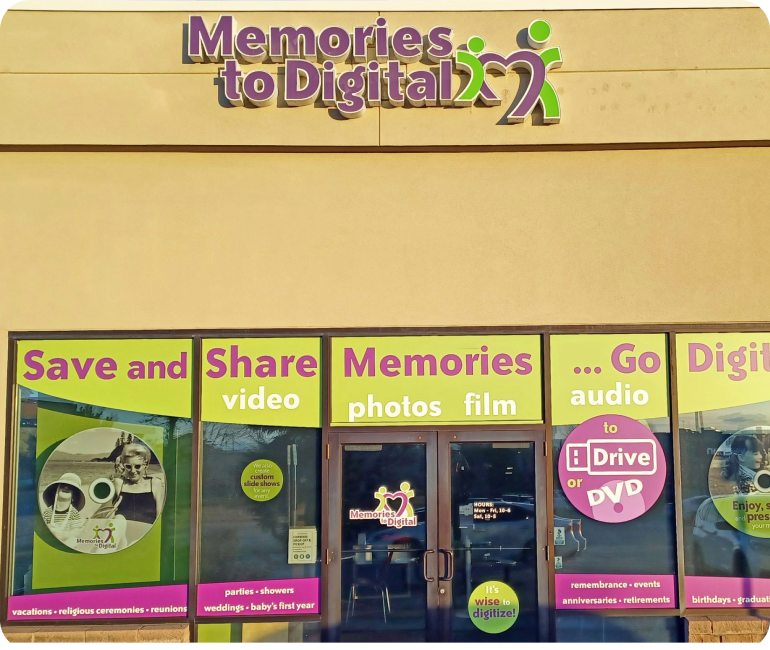
Memories to Digital Lone Tree
Address: 8481 S Yosemite St ste b, Lone Tree, CO 80124
Phone Number: 303-799-1677
Hours:
Monday: 10 AM–6 PM
Tuesday: 10 AM–6 PM
Wednesday: 10 AM–6 PM
Thursday: 10 AM–6 PM
Friday: 10 AM–6 PM
Saturday: 10 AM–5 PM
Sunday: Closed

Film

Video

Photos
Audio
Promise On Quality
Preserve your Lone Tree memories with expert, south Denver care. We specialize in transforming your irreplaceable photos, films, and audio into high-quality digital formats. Our Lone Tree store offers personalized service and state-of-the-art technology to protect your precious keepsakes. Experience the convenience of local media conversion in the heart of Lone Tree.
Meet Our Team
Meet Our Team
Eric Scherer
Cofounder
In the spring of 2003, Eric’s parents and in-laws asked, “Where in the world would we go to preserve our slides and Super 8 film?” Discovering there were no great options for them, Eric drew on his engineering and computing background to found Memories to Digital (now MemoryWise)–-a place where people could confidently bring their old analog media for preservation to DVD or other digital formats. From the beginning, Eric worked closely with his clients to make sure they felt comfortable with the process and were getting exactly what they envisioned. Today, MemoryWise is one of the most experienced digitization companies in the country and also offers special event videos, slideshows, sports recruiting presentations and more. Every job is still custom-made for each client, and our motto remains: “We treat your memories as if they're our own.”
Gwen Scherer
Cofounder
Gwen Scherer – food marketer gone techie – joined Eric in bringing Memories to Digital (now MemoryWise) to retail locations in 2005 and fell in love with the business of helping people rediscover their memories – now in a digital format. “My Dad always said the photograph was one of the most important inventions of his lifetime. The memories we preserve from old photographs, slides, videos, film and audio recordings are a source of important historical, social and personal documentation. It’s very rewarding to bring them to life again, and play a role in passing them on to the next generation.”
Mitch Jones
Customer Relations Coordinator
Mitch is the Client Relations Coordinator in our Boulder office. He majored in Journalism and Mass Communications at the University of Northern Colorado with a minor in Film Studies and has been a part of the MTD team since 2013. No mjnor project detail slips by this eagle-eyed paper pusher!
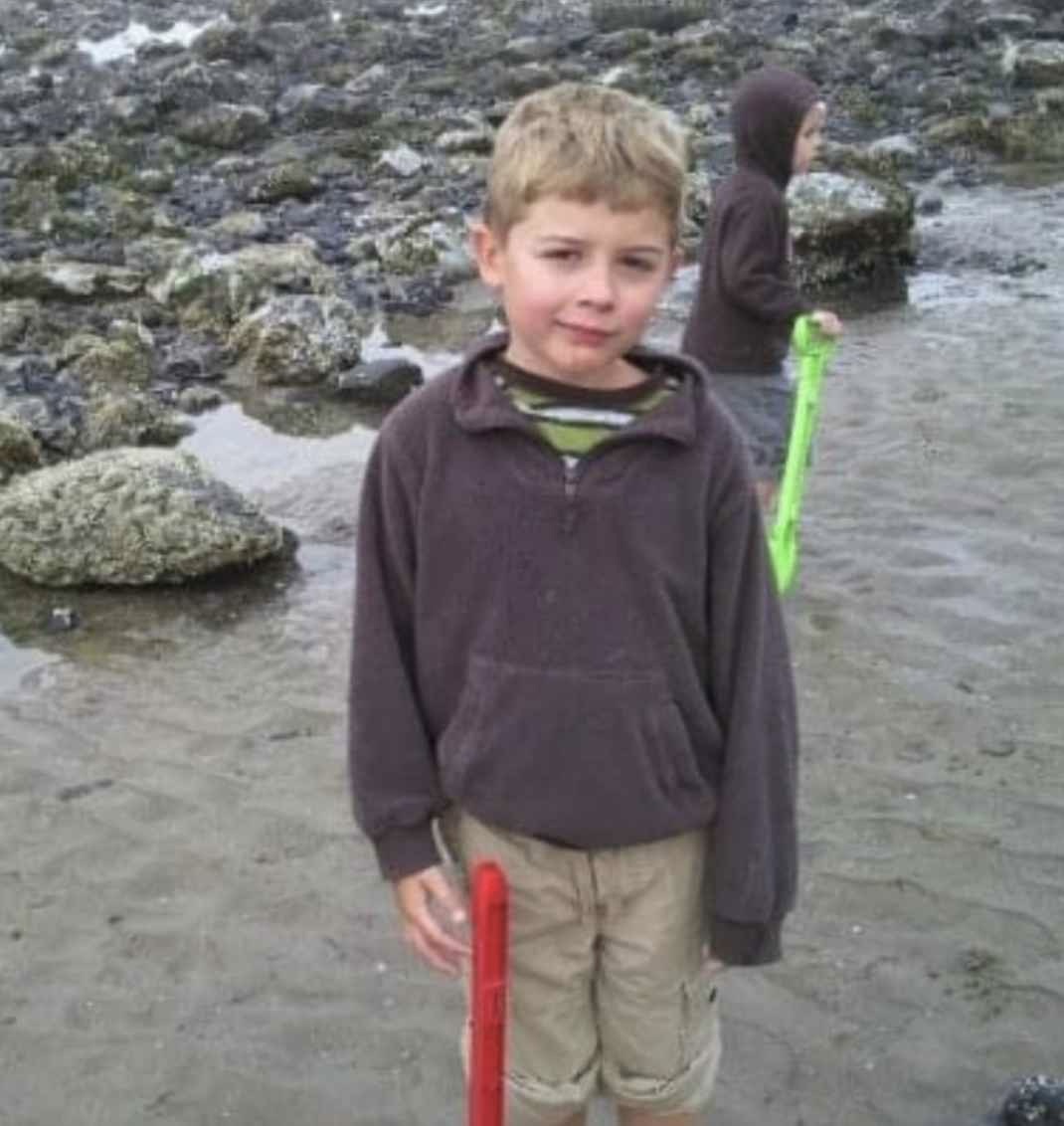
Brendan Lancaster
Transfer Specialist
Mitch is the Client Relations Coordinator in our Boulder office. He majored in Journalism and Mass Communications at the University of Northern Colorado with a minor in Film Studies and has been a part of the MTD team since 2013. No mjnor project detail slips by this eagle-eyed paper pusher!
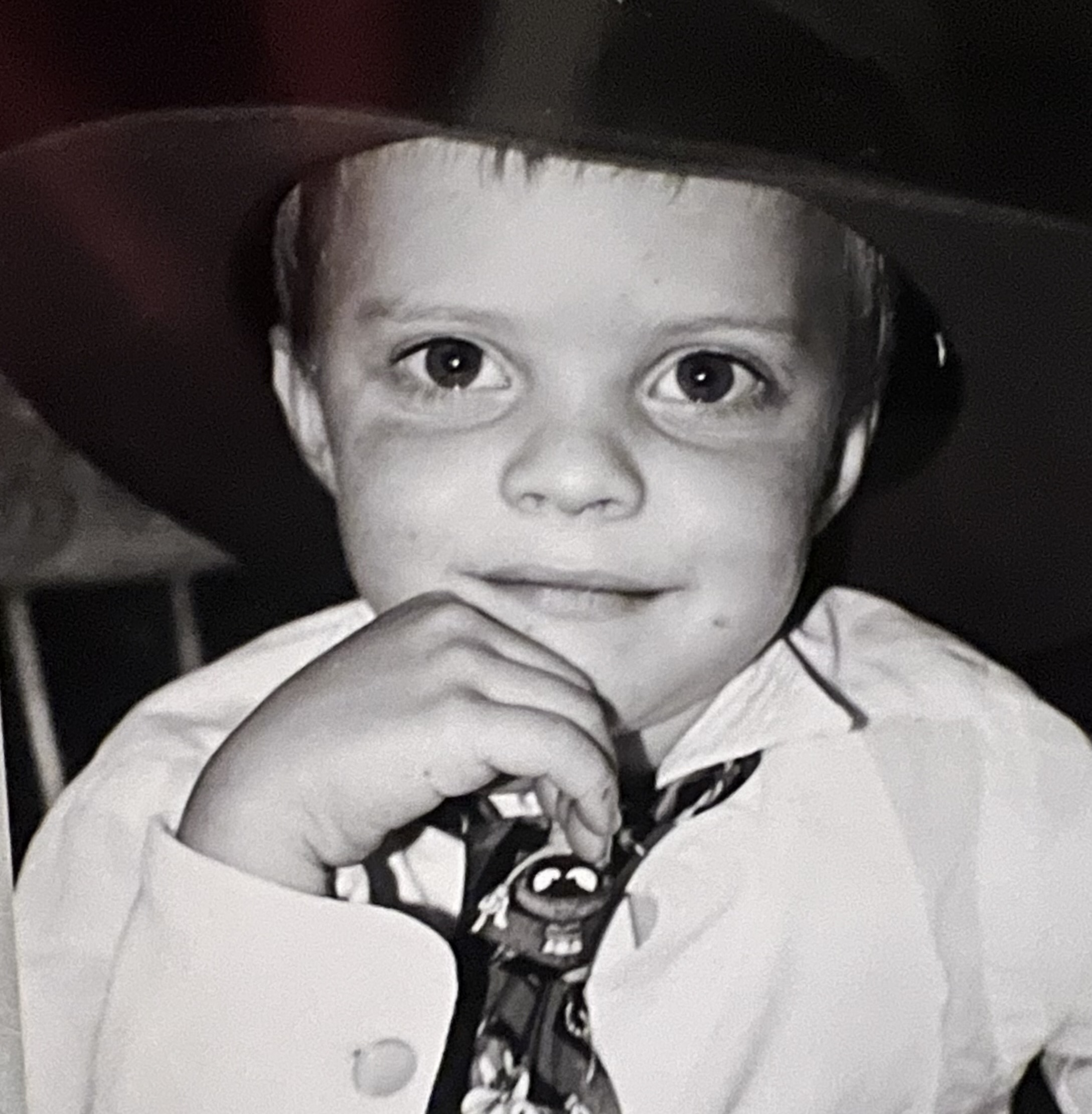
Jonathan Broncucia
Transfer Specialist
Mitch is the Client Relations Coordinator in our Boulder office. He majored in Journalism and Mass Communications at the University of Northern Colorado with a minor in Film Studies and has been a part of the MTD team since 2013. No mjnor project detail slips by this eagle-eyed paper pusher!
Film
Video
Photos