

Save Family Memories for Today, and for Years to Come
It’s Wise to Digitize!
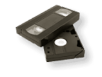
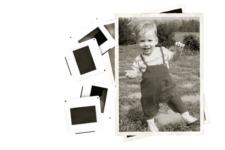
Some analog media last longer than others, but eventually all organic material (including film, photos and video tape) degenerates and finally disintegrates. Digital files won’t degrade, allowing you to pass on your family archive in good condition for generations of enjoyment. Digital files make it easy to share your treasured memories with family & friends, and open up the opportunity to harness the power of technology to help organize, edit and enhance!
Reasons To Go Digital
Preserve and Protect
Once your material is digitized, it’s frozen in time. Digital files won’t degrade, allowing you to pass on your family archive in good condition for generations of enjoyment. Store an archival-grade back-up in a safe location or ask us to keep a copy of your files to protect your family history from fire, flood or other damage.
Enjoy
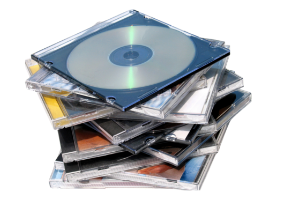
Going digital makes it easy to enjoy your family memories right from your tv, computer, tablet or phone. Or, just pop your disc into a convenient player! No more messing with heavy projectors or hauling boxes out of the closet.
Share
Once digital, it’s easy to share your favorite memories with family and friends. Simply order another copy of your drive or disc, make copies yourself at home, or upload and share your digital files online. Make it an annual tradition or gift for someone special!
Organize
Imagine all of those boxes of fragile memorabilia condensed onto one drive, in a well-organized system of folders and files. Overwhelmed by the prospect of organizing? Don’t stress! Soon, you’ll be able to harness the power of AI to organize your media for you.
Edit
Whether you’re the do-it-yourself type or want to take advantage of our professional editors, digital files give you the ability to edit just about anything. Don’t like that parade in the middle of your footage? Take it out. Did your film lose its luster? Restore the color…and so much more!
Enhance
Digital technology gives us a range of tools to enhance your digital memories and create the final presentation you envision. We can add music, titles & text, special effects and more. With our experience and your creativity, the sky’s the limit.
Why Choose Memories to Digital?
We Treat Your Memories as if They’re Our Own
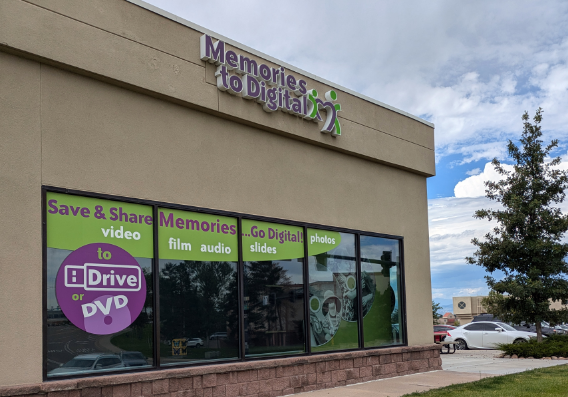
We founded Memories to Digital in 2003 after our family mailed their family films away and they got lost. We wanted our community to have a local place to convert family memories, one that offered an alternative to faceless mail-away services.
Today, whether you visit a Memories to Digital location, a Memorywise location, or one of our local partner businesses to drop off or pick up, you receive the same great service from the same dedicated local team. We are your media digitization experts.
We do 100% of our work ourselves, in-house, locally. We give you and your memories the personal service, care and attention deserved, and we use the latest technology to provide you with high-quality digital memories.
Safe, Secure, and Nearby
Eliminate the worry of mailing your memories. We’re local, we do all of our work in-house, and we take it seriously to safeguard your media while in our care.
Media Digitization Experts
Put our extensive digitization expertise to work! We don’t sell cameras or print photos–we specialize in converting all of the old media formats into the latest and best digital formats.
Quality You Can Trust
Our 30-day, 100% guarantee says it all. We pride ourselves on delivering the best possible digital replication of your media as ordered, and will work tirelessly to resolve any issues.
Customized Solutions
Meet with a real person and get your project done right. We’re not a cookie-cutter, drop-box operation– we offer a level of personal service and customization others can’t touch.
Our Process

1. Contact & Drop Off
When you’re ready to get started, pick a location to drop off your media and book an appointment, or simply stop by a location that accepts walk-ins. During your initial appointment, we will gather the details, determine which services best suit your needs, and provide an estimate of cost and timing. If your appointment is via phone, we will make arrangements for you to drop off your media.

2. We Digitize!

3. Enjoy, Share & Preserve
Contact Us Today!
Questions? We’re Here to Help! Fill out the form, give us a call or stop by a location near you.
By providing your phone number and submitting the form, you agree to receive Customer Care related texts via SMS from Memories to Digital and MemoryWise. Message frequency may vary. Standard Message and Data Rates may apply. Reply STOP to opt out. Reply HELP for help. Consent is not a condition of purchase. Privacy policy: Your mobile information will not be sold or shared with third parties for promotional or marketing purposes. See more here.